
Habitat is seeking partnership to secure low-cost land for our next home in Asotin or Nez Perce County!
Transform Real Estate into Impact
How does Habitat acquire low-cost land?
- Purchase or donation from a private land owner
- Purchase or donation from a business or institution
- Obtain excess town-owned land through an RFP response
What is a real estate donation?
Whether a personal residence, vacation home, commercial property, or undeveloped land, a donation of real estate to Habitat for Humanity can create a ripple effect of impact for entire communities.
With land resources scarce and building costs soaring, your gift could make all the difference. We might put it to work by converting it to affordable ownership housing for an L-C Valley family, or invest it to further expand affordable housing in the L-C Valley.
Why donate real estate?
Perhaps you’re updating your will and considering how to bequeath your property, or you have property that you no longer need (and it may be costing you time and money). While a gift of real estate to Habitat would have obvious benefits to the community, donating it can have benefits for you and your loved ones, too.
- You may be eligible for significant tax benefits by gifting this property to Habitat—including a federal charitable income tax deduction and potentially avoiding capital gains taxes.
- You will avoid continued maintenance costs, property taxes and insurance, and the hassle of selling.
- You will leave a legacy your family will be proud of.
Ways to Donate Real Estate
- Outright gift: Transfer your property to Habitat for the best use in supporting our mission and programs.
- Bargain sale: Sell the property to Habitat for less than its appraised market value.
- Bequest: Through a simple update to your will or trust, bequeath your property to Habitat for future use.
- Life income gift: Transfer ownership of the property to fund a charitable remainder trust or charitable gift annuity. Receive income payments for life, and the balance of the gift supports Habitat’s work.
- Retained Life Estate: Transfer ownership of the property to Habitat, while retaining the right to live in the property for a specified period of time.





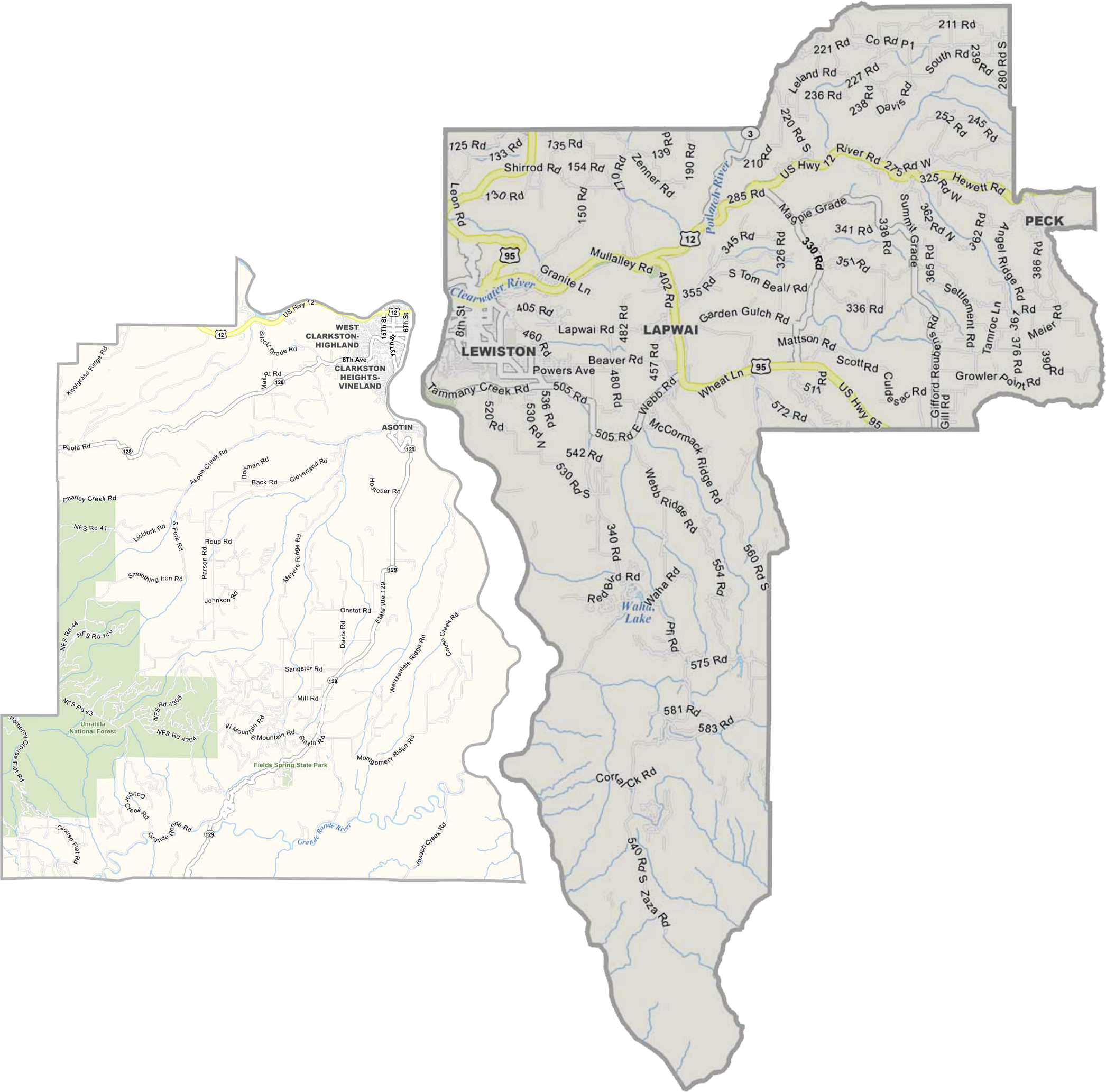
We are looking for property in Nez Perce County & Asotin County.
What are we looking for in a property?
- Zoned for intended use
- Lot size: 7,000–10,000+ sq. ft.
- Access to water, sewer (or septic), gas, and electricity
- Free of major issues: wetlands, ledge, contamination
- Located near good schools, safe roads, and friendly neighbors
Selling land to Habitat for Humanity can offer both philanthropic and financial benefits, particularly through a method called a bargain sale.
Philanthropic and community impact
The most significant benefit is contributing directly to Habitat’s mission of building and providing affordable housing for families in need.
The land you sell can become part of a project that creates homes and strengthens communities, leaving a tangible and positive legacy.
Building affordable homes can help revitalize neighborhoods and create stability for families for generations.
Financial benefits
When you sell land to Habitat for less than its fair market value (a bargain sale), the difference between the fair market value and the sale price can be considered a charitable contribution for which you may be eligible for an income tax deduction.
You can avoid paying capital gains tax on the portion of the property considered a charitable donation.
Selling or donating land to Habitat can help you eliminate ongoing costs associated with the property, such as property taxes, maintenance fees, and insurance.
Habitat often handles the land acquisition process directly, potentially saving you from paying real estate commissions or broker fees.
Important considerations
It’s crucial to consult with a qualified financial advisor or tax professional to understand the specific tax implications and benefits relevant to your situation.
You’ll likely need to obtain a qualified appraisal of the property to determine its fair market value for tax purposes.
Habitat affiliates have specific criteria for the type of land they can use for building. It’s important to reach out to your local Habitat for Humanity chapter to determine if your property is suitable for their needs.